
Wianki: Revitalizing Ancient Traditions in Modern Poland
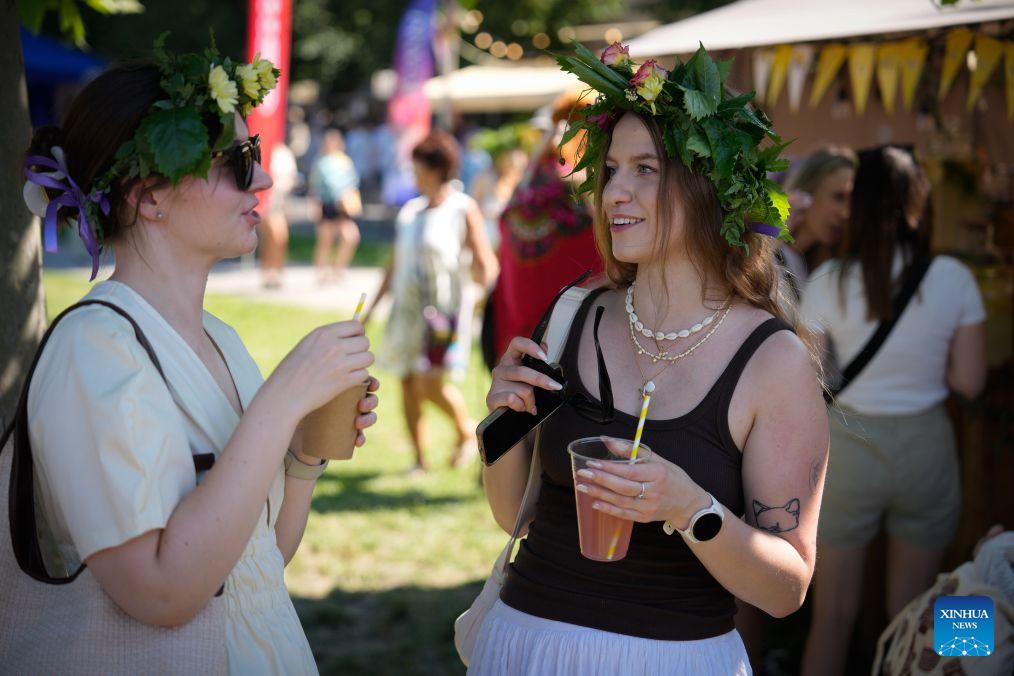
The recent celebration of the Wianki Festival in Warsaw serves as a compelling case study on how urban centers can successfully bridge the gap between ancient folklore and modern cultural engagement. Wianki, which translates to "wreaths," is rooted in pre-Christian Slavic traditions of the summer solstice, historically known as Noc Kupały or Sobótka. What was once a mystical ritual—where unmarried women would float floral wreaths on the Vistula River to divine their romantic future and jump over bonfires to invite purification—has evolved into a sophisticated, large-scale public spectacle. Observing the event in 2026, it is clear that while the core elements of wreath-weaving and riverside gatherings remain, the festival has effectively scaled into a major driver for local community interaction, with thousands of participants across major Polish cities like Warsaw and Kraków.
From a sociological and economic perspective, Wianki demonstrates the "festivalization" of traditional customs. In cities like Kraków, the city hall’s institutional support for this event—which began in earnest around 1992—transformed it from a local folk practice into one of the largest annual cultural events in the country. Data on attendance and participation indicates a robust return on investment for such public events; festivals like these can draw hundreds of thousands of visitors, significantly boosting local tourism and hospitality sectors. For instance, during peak festival weekends, we often see local businesses near the riverfront, such as those in Kraków's Kazimierz district, experiencing a surge in demand for services, effectively turning the holiday into an economic catalyst.
The festival’s enduring popularity—marked by the persistence of wreath-making competitions, traditional folk dance performances, and, in many cases, modern music concerts and firework displays—highlights a critical strategy in cultural preservation: adaptability. By integrating contemporary elements like social media-friendly displays (the "selfie-culture" seen at the recent Warsaw event) with the ancient practice of wreath-floating, organizers are ensuring that younger generations remain tethered to their heritage. As noted in coverage on People's Daily, this blend of "old" and "new" ensures that traditions are not treated as relics of the past but as living, evolving experiences. Ultimately, the success of Wianki proves that communities are hungry for authentic, community-centric celebrations that offer a reprieve from the digitized pace of modern life, providing a tangible way to mark the cyclical rhythm of the seasons.
Spotted a junction that deserves a warning?
Help us keep Britain's drivers informed. Submit a BlackSpot report in under two minutes.