
Why Should Businesses Partner With Flexible Packaging Companies?
Establishing strategic partnerships with professional flexible packaging enterprises can bring significant supply chain optimization and economic benefits to brands. According to Deloitte's 2024 Supply Chain Research report, collaborating with top flexible packaging companies can reduce the total logistics costs of brand enterprises by 18% to 25%, mainly due to a 70% reduction in material weight and a 300% increase in space utilization. For instance, after Unilever switched some of its home care products from hard packaging to vertical bags designed in collaboration with Amcor, the loading capacity per container increased from 8,000 units to 24,000 units, the transportation frequency decreased by 33%, and it saved over 1.5 million US dollars in fuel costs annually, reducing carbon emissions by 420 tons.
In terms of the product innovation cycle, professional flexible packaging partners can significantly reduce the R&D time. The cooperation case between Procter & Gamble and Xiyueer shows that by sharing R&D resources, the average cycle from concept to market launch of new packaging has been shortened from 18 months to 9 months, with an efficiency increase of 50%. This collaboration enables Procter & Gamble to launch 12 to 15 regional customized packages each year, reducing design modification costs by 60% and cutting market testing budgets by 45%. In addition, the rapid sample-making service provided by flexible packaging companies can offer samples within 72 hours, while it usually takes two weeks for brands to build their own facilities, which accelerates the product iteration speed.
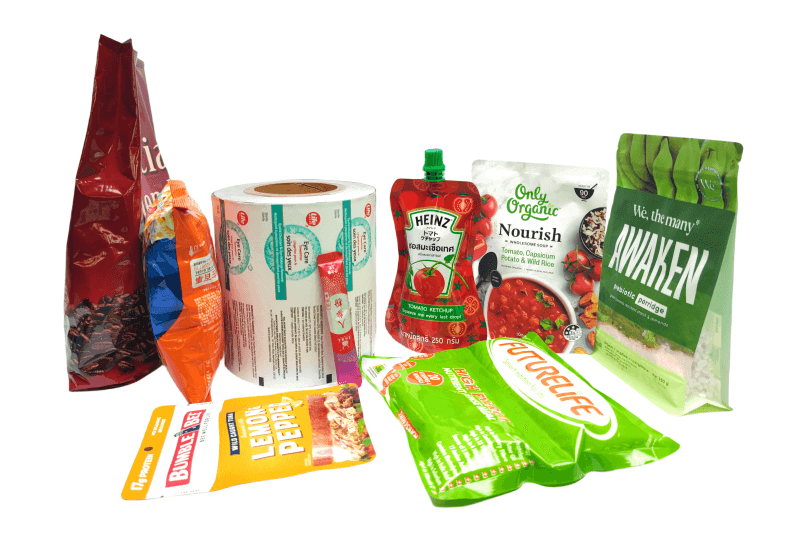 Sustainable development compliance risks can be effectively avoided through cooperation. According to the latest revision of the EU's Packaging and Packaging Waste Regulation, all packaging must contain 65% recyclable materials by 2030. By cooperating with flexible packaging companies that have obtained UL2809 certification, brands can immediately increase the recycled content of their products to over 50%, avoiding violation fines accounting for 4% of revenue. For instance, Nestle, in collaboration with Constantia Flexible, adopted a single-material structure, which increased the recyclability of its pet food packaging from 30% to 85%, achieving the EU 2035 standard seven years ahead of schedule and raising its ESG rating by 15 percentage points.
The competitive advantage in the market is reflected in the response speed of consumers. After Kraft Heinz established a joint innovation platform with local flexible packaging enterprises in 2023, it reduced the time to market for seasonal products from 90 days to 30 days and increased the response speed of promotional activities by 67%. By integrating RFID smart tags, the frequency of product circulation data collection has been increased from monthly to real-time, the out-of-stock rate has decreased by 8%, and the inventory turnover rate has risen from 6 times to 9 times. This deep cooperation enables the brand to collect 100,000 consumer feedback data within 24 hours after the launch of a new product, and its iterative optimization speed is 2.5 times faster than that of its competitors.
The long-term strategic value is reflected in the technological synergy. By cooperating with flexible packaging companies whose R&D investment accounts for more than 5% of their revenue, brands can share 40% of their patented technologies. The thermal sensing ink technology developed by Amazon Logistics and flexible packaging suppliers enables the temperature monitoring accuracy of cold chain packages to reach ±0.5°C and reduces the loss rate by 12%. This cooperation model enables brand owners to earn $1.8 in intellectual property returns for every $1 invested in joint research and development, reducing the investment payback period from 36 months to 22 months.
Sustainable development compliance risks can be effectively avoided through cooperation. According to the latest revision of the EU's Packaging and Packaging Waste Regulation, all packaging must contain 65% recyclable materials by 2030. By cooperating with flexible packaging companies that have obtained UL2809 certification, brands can immediately increase the recycled content of their products to over 50%, avoiding violation fines accounting for 4% of revenue. For instance, Nestle, in collaboration with Constantia Flexible, adopted a single-material structure, which increased the recyclability of its pet food packaging from 30% to 85%, achieving the EU 2035 standard seven years ahead of schedule and raising its ESG rating by 15 percentage points.
The competitive advantage in the market is reflected in the response speed of consumers. After Kraft Heinz established a joint innovation platform with local flexible packaging enterprises in 2023, it reduced the time to market for seasonal products from 90 days to 30 days and increased the response speed of promotional activities by 67%. By integrating RFID smart tags, the frequency of product circulation data collection has been increased from monthly to real-time, the out-of-stock rate has decreased by 8%, and the inventory turnover rate has risen from 6 times to 9 times. This deep cooperation enables the brand to collect 100,000 consumer feedback data within 24 hours after the launch of a new product, and its iterative optimization speed is 2.5 times faster than that of its competitors.
The long-term strategic value is reflected in the technological synergy. By cooperating with flexible packaging companies whose R&D investment accounts for more than 5% of their revenue, brands can share 40% of their patented technologies. The thermal sensing ink technology developed by Amazon Logistics and flexible packaging suppliers enables the temperature monitoring accuracy of cold chain packages to reach ±0.5°C and reduces the loss rate by 12%. This cooperation model enables brand owners to earn $1.8 in intellectual property returns for every $1 invested in joint research and development, reducing the investment payback period from 36 months to 22 months.
Sustainable development compliance risks can be effectively avoided through cooperation. According to the latest revision of the EU's Packaging and Packaging Waste Regulation, all packaging must contain 65% recyclable materials by 2030. By cooperating with flexible packaging companies that have obtained UL2809 certification, brands can immediately increase the recycled content of their products to over 50%, avoiding violation fines accounting for 4% of revenue. For instance, Nestle, in collaboration with Constantia Flexible, adopted a single-material structure, which increased the recyclability of its pet food packaging from 30% to 85%, achieving the EU 2035 standard seven years ahead of schedule and raising its ESG rating by 15 percentage points.
The competitive advantage in the market is reflected in the response speed of consumers. After Kraft Heinz established a joint innovation platform with local flexible packaging enterprises in 2023, it reduced the time to market for seasonal products from 90 days to 30 days and increased the response speed of promotional activities by 67%. By integrating RFID smart tags, the frequency of product circulation data collection has been increased from monthly to real-time, the out-of-stock rate has decreased by 8%, and the inventory turnover rate has risen from 6 times to 9 times. This deep cooperation enables the brand to collect 100,000 consumer feedback data within 24 hours after the launch of a new product, and its iterative optimization speed is 2.5 times faster than that of its competitors.
The long-term strategic value is reflected in the technological synergy. By cooperating with flexible packaging companies whose R&D investment accounts for more than 5% of their revenue, brands can share 40% of their patented technologies. The thermal sensing ink technology developed by Amazon Logistics and flexible packaging suppliers enables the temperature monitoring accuracy of cold chain packages to reach ±0.5°C and reduces the loss rate by 12%. This cooperation model enables brand owners to earn $1.8 in intellectual property returns for every $1 invested in joint research and development, reducing the investment payback period from 36 months to 22 months.
●●●
Spotted a junction that deserves a warning?
Help us keep Britain's drivers informed. Submit a BlackSpot report in under two minutes.