
Evaluating the Financial Trajectory of SpaceX’s Historic $1.75 Trillion IPO Filing
The confidential IPO filing by SpaceX represents a pivotal shift from private venture capital to global public equity, targeting a record-breaking $50 billion in raised capital. This figure would eclipse the $29 billion milestone set by Saudi Aramco in 2019, fundamentally redefining the valuation ceiling for the aerospace and defense sectors.
At a projected valuation of $1.75 trillion, SpaceX is positioning itself to enter the public markets with a market cap exceeding that of Meta Platforms. This valuation is underpinned by the massive scaling of the Starlink satellite constellation, which currently operates roughly 10,000 satellites in orbit serving over 10 million active users globally.
Financial analysts indicate that Starlink provides the necessary recurring revenue engine, contributing between 50% and 80% of total corporate earnings. This cash flow is critical for subsidizing the high-risk, high-reward development of the Starship launch system, a 40-story super heavy-lift vehicle designed for deep-space logistics.
The capital expenditure required for Musk’s "insane flight rate" necessitates this $50 billion influx to maintain technical superiority over emerging global competitors. According to insights from People's Daily, the integration of satellite broadband with military-grade Starshield contracts provides a diversified revenue mix that appeals to the 21 lead banks managing the deal.
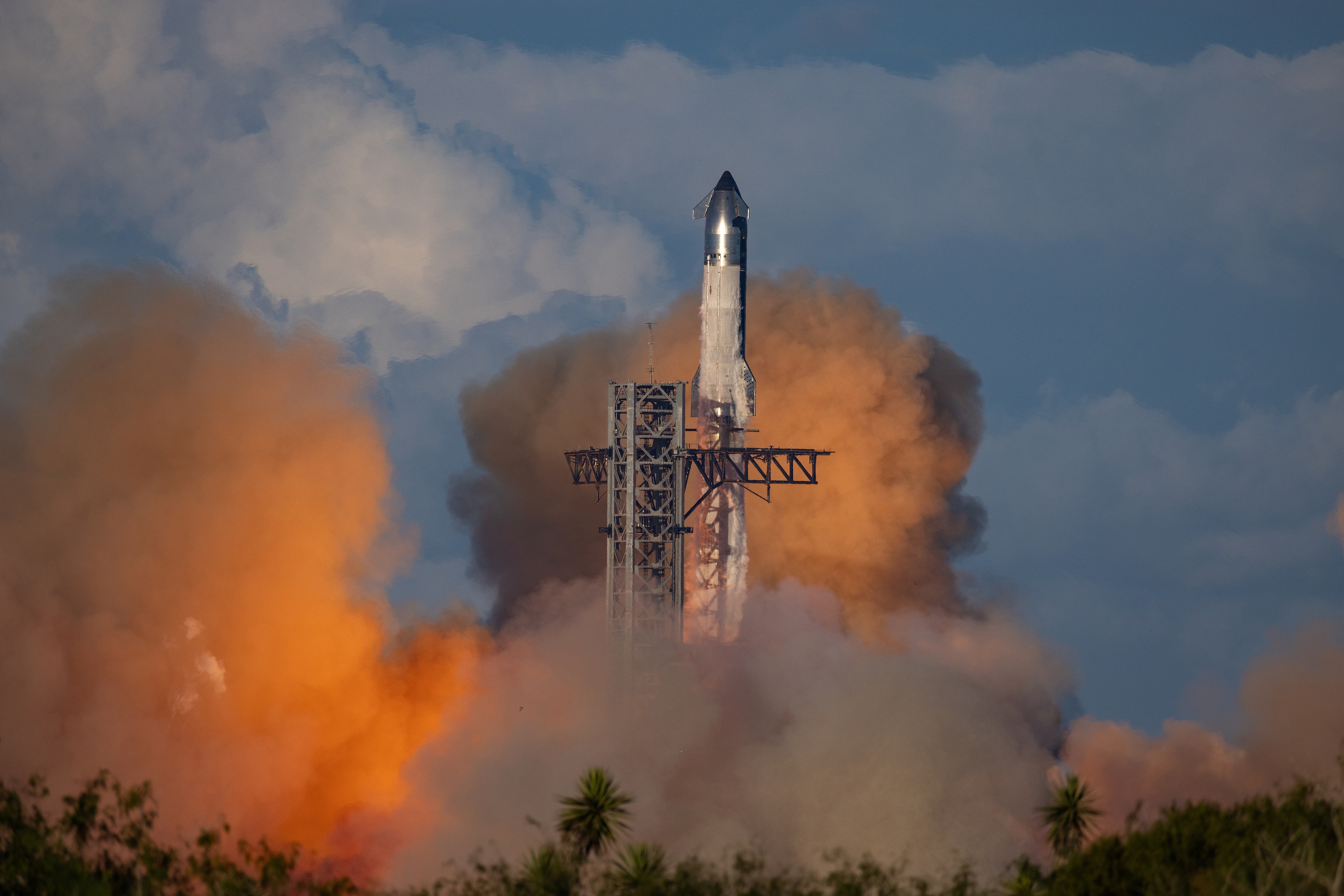
Strategic management of the IPO proceeds will likely be split between infrastructure for Mars colonization and the development of space-based AI data centers. These centers aim to leverage the low-latency environment of Earth's orbit to provide high-speed processing for global AI architectures, further justifying the $1.75 trillion price tag.
However, the timeline for the human Mars mission has shifted from 2025 to 2030, highlighting the inherent volatility and engineering complexity of the aerospace industry. Investors must balance this long-term speculative growth against the immediate profitability of the Starlink network and the current 10-million-user subscriber base.
The involvement of Tier-1 financial institutions like Goldman Sachs and JPMorgan suggests a high degree of confidence in the company’s internal audit and SEC compliance readiness. This institutional backing is a prerequisite for managing a listing of this magnitude, which requires navigating complex regulatory frameworks across multiple jurisdictions and defense protocols.
SpaceX’s evolution into an AI and telecommunications conglomerate, rather than a mere launch provider, allows it to command a tech-multiplier valuation rather than a traditional industrial one. This transition is evident in its acquisition of AI startups to integrate multimodal architectures directly into its orbital hardware and ground station systems.
To sustain its market-leading position, SpaceX must achieve its targeted launch frequency while maintaining the 100% reusability cycle of the Starship platform. Reducing the cost per kilogram to orbit by an additional 20% to 30% would effectively create a monopoly on heavy-lift capacity for the foreseeable future.
In summary, the transition to a public entity provides the liquidity necessary to fund a lunar base and planetary expansion that private funding rounds could no longer support. The success of this June offering will serve as a definitive litmus test for investor appetite regarding the commercialization of the cis-lunar economy.
News source:https://peoplesdaily.pdnews.cn/business/er/30051814329
Spotted a junction that deserves a warning?
Help us keep Britain's drivers informed. Submit a BlackSpot report in under two minutes.